
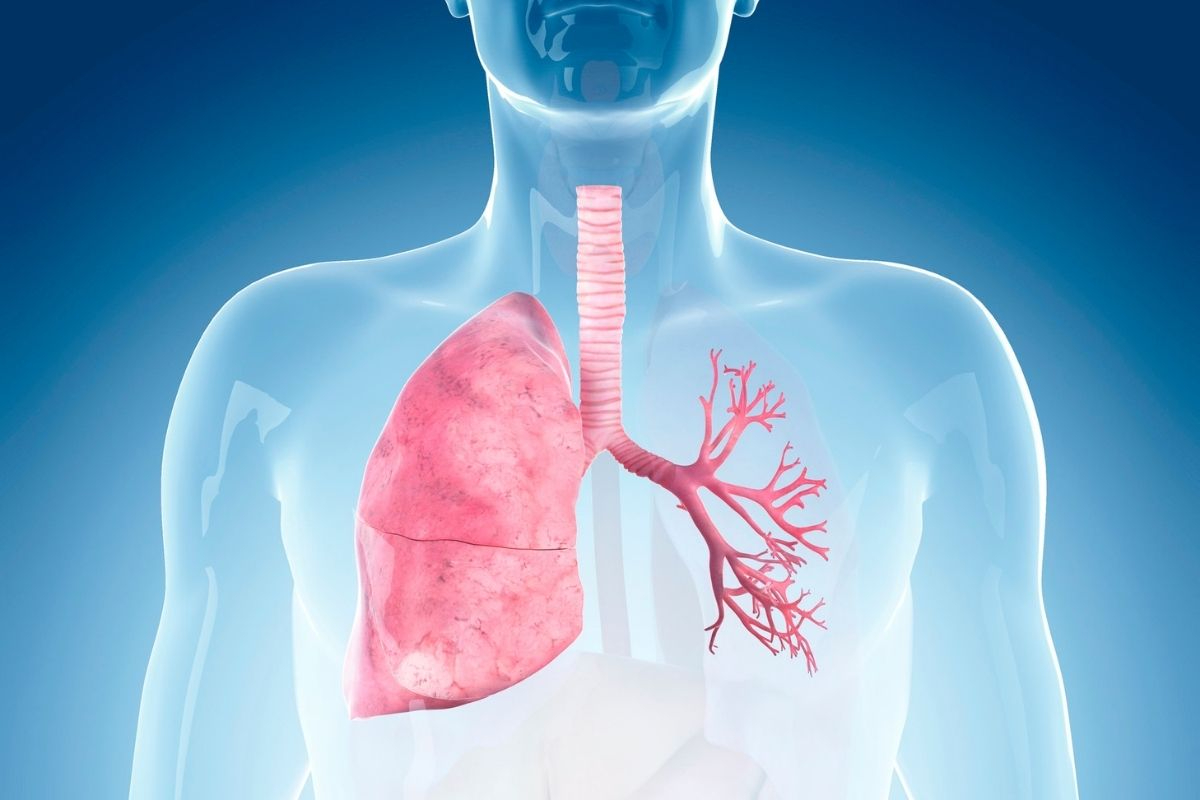
Our Community Respiratory Services are Nurse and Allied Healthcare Professional led services. Our team look after people living at home with long term respiratory conditions across Hampshire, Southampton, Portsmouth and Isle of Wight.
We will work alongside you and your loved ones, your GP services, local hospital teams as well as other community teams to support you in managing your respiratory condition.
To see if any of the services our team provide would help you or your loved one, please see if one of the following sentences describes you/them:
Contact information
Please select one of the blue drop down menus below to find the contact details for the help you need.
Should you need help outside of service hours, please call 111 or 999 if you think you need urgent respiratory advice.
Good health information:
Our team of respiratory nurses and physiotherapists can help you to get back on track with managing your COPD.
What we will do:
- Contact you within 24 hours of referral and see you for up to 4 weeks.
- Visit you in your own home or via telephone calls (depending on what you need).
- Monitor and spot any early worsening of your lung health that needs further treatment.
- Help you understand your lung condition and treatments.
- Give support and training on how to manage your condition, including medicines.
- Check how you use your inhaler to make sure it is effective and the right one for you.
- Keep in touch with your GP at the start and end of your time with the team.
- Keep in touch with you and talk through any big changes with your lung health during your time with the team.
How to get referred:
Referral is made by GPs and emergency staff only. If you feel you might need this help, please contact your GP surgery.
HCPs: Please contact the service for any queries or to make a referral.
What to do while you wait:

Contact your local Community Respiratory team:
North, Mid and West Hampshire
Tel: 0300 003 0140
Email: hiowh.
Southampton
Tel: 02381 204358
Email: COPDteam
South East Hampshire
Tel: 02382 311949
Email: hiowh.se-cris@nhs.net
Portsmouth
Tel: 0300 123 3996
Email: hiowh.
Isle of Wight
Tel: 01983 552190
Email: iownt.
What is oxygen treatment:
Most people with a lung condition do not need extra oxygen. However, if your blood oxygen levels are very low because of a lung or heart condition, you may benefit from oxygen treatment at home.
Oxygen treatment involves breathing air with a higher concentration of oxygen through a mask or small tubes placed in your nose. The oxygen is supplied by equipment in your home or by portable equipment that you can take with you when you go out.
Some people need oxygen for at least 15 hours a day, including overnight, to help protect their heart and overall health. Others may benefit from oxygen when they are active to help them move around more comfortably.
Oxygen is a prescribed medical treatment. Before it can be provided, we need to assess whether it is suitable for you and make sure it can be used safely and effectively.
You may have needed oxygen while you were in hospital, but this does not always mean you will need oxygen treatment at home.
Before oxygen can be prescribed:
Before oxygen can be prescribed, we need to understand what is causing your low oxygen levels and make sure your medical condition is being treated as effectively as possible
Oxygen treatment is only prescribed when there is evidence that it may benefit your health. Not everyone with a lung or heart condition will need oxygen treatment, and some people may benefit more from other treatments and support.
Breathlessness and oxygen:
Feeling breathless does not always mean you need oxygen treatment.
If you are breathless but your blood oxygen levels are normal, oxygen treatment is unlikely to help. In these situations, we will talk through other treatments and support that may be more helpful for you.
Who can be assessed by our service for oxygen treatment:
We can assess adults who live in Hampshire or the Isle of Wight, and meet one or more of the following criteria:
- Oxygen saturation levels of 92% or below when resting and breathing normal air.
- Oxygen saturation levels of 94% or below when resting and breathing normal air in certain circumstances, such as pulmonary hypertension or complications associated with low oxygen levels.
- Oxygen levels that fall significantly during activity and drop below 90%, causing limitations to daily activities.
- Cluster headaches, where you are under the care of a neurologist.
What we will do:
- Assess whether oxygen treatment is suitable for you.
- Review any oxygen treatment you are already using, to make sure it remains safe and effective.
- Ensure you have the most appropriate oxygen equipment for your needs.
- Teach you how to use your oxygen treatment safely and confidently.
- Complete a home safety assessment.
- Review your oxygen treatment three months after any change to your prescription.
- Carry out regular reviews, at least annually, once your treatment is stable.
- Offer home visits if you are unable to attend a clinic appointment.
- Keep your GP informed of any assessments, recommendations or changes to your treatment.
- Continue to monitor and review your oxygen needs for as long as you require oxygen treatment.
Where possible, assessments are carried out when you have been free from a chest infection for at least eight weeks. If you experience frequent chest infections, please contact us to discuss your circumstances.
Oxygen safety:
Oxygen is a safe and effective treatment when used correctly. However, it significantly increases the risk of fire.
If you smoke, vape, use e-cigarettes, or live with someone who smokes near your oxygen equipment, we will discuss these risks with you and provide advice and support to help reduce them.
In some circumstances, oxygen treatment may not be prescribed or may need to be withdrawn if it is considered unsafe to continue. Our priority is to keep you, your family, carers, neighbours and the wider community safe.
How to get referred:
You can be referred to our service by any healthcare professional, including:
- Your GP
- Practice nurse
- Hospital consultant
- Specialist respiratory team
- Other healthcare professionals involved in your care
Healthcare professionals: Please contact the service directly for detailed referral information.
Waiting times:
The average waiting time from the team receiving your referral to being seen is currently: 4-6 weeks. (Waiting times may vary depending on clinical priority and demand.)
If you have been waiting longer than this or have concerns about your symptoms, please contact the team.
When to seek urgent help:
If your oxygen levels are below 85% at rest, or you develop sudden or severe breathlessness, seek urgent medical advice from your GP, NHS 111, or call 999 if it is an emergency.
What happens when we receive your referral:
All referrals are reviewed by a clinician before an assessment is arranged.
The clinician will check that:
- Your referral contains the information needed for assessment.
- Your symptoms and oxygen levels meet the referral criteria.
- Any relevant medical history has been considered.
- The most appropriate type of assessment has been requested.
- A clinic appointment or home visit is suitable for your needs.
Sometimes we may need more information from the healthcare professional who referred you before we can arrange an appointment. If oxygen assessment is not appropriate at this stage, we will explain the reason to the referring clinician.
What happens after you are referred:
- Appointment arranged
You will be offered an appointment with our team, usually at one of our clinics. - Assessment
At your appointment, we will ask about your symptoms and medical history.
We will measure your oxygen levels and carry out some basic observations.
If your oxygen levels are low (92% or below, or 94% or below in certain circumstances), we may take a small blood sample from your earlobe to measure the oxygen level in your blood. Most people find this quick and only mildly uncomfortable. - Activity assessment
If you become breathless when walking or exercising, we may ask you to complete a walking test to see how your oxygen levels change during activity. - Results and treatment plan
We will explain your results and discuss whether oxygen treatment would benefit you.
You may:
• Be prescribed oxygen treatment.
• Need a further assessment before a decision is made.
• Be advised that oxygen treatment is not required. - Ongoing support
We will provide advice and recommendations to help you manage your condition and remain as active as possible.
What to do while you wait:
Contact your local Oxygen team:
North, Mid and West Hampshire
Tel: 0300 003 0140
Email: hiowh.
Southampton
Tel: 02381 208119
Email: HomeOxygenService
Portsmouth
Tel: 0300 123 3996
Email: hiowh.
South East Hampshire
Tel: 02382 311949
Email: hiowh.se-cris@nhs.net
Isle of Wight
Tel: 01983 552190 / 07917 163403
Email: iownt.
What Pulmonary Rehabilitation is:
We run a 6-week physical exercise and education course, called Pulmonary Rehabilitation. These are nationally run courses for people with a long-term lung condition, but is then tailored for you and run locally. Research has proven that Pulmonary Rehabilitation (PR) can help people have a better quality of life by managing breathlessness, feeling more in control of experiences, and having confidence in being more active in day-to-day activities.
Exercise is a prescribed part of the management for people with long-term lung conditions. It is as important as the medicines prescribed for these conditions. We strongly encourage our patients to carry on exercising after the course. We take time to make sure you are either referred to level 4 lung exercise classes at local leisure centres, guided to other local activity and support groups, or shown how to use our exercise sheets to do exercises at home.
The exercise portion of our classes consists of a warm-up, muscle strengthening exercises, a stamina section and a cool-down. The aim is to make it easier to do day to day things. It can also help you to deal with your breathlessness with more confidence.
The education portion of our classes cover a range of topics, with the aim to improve your understanding of your lung condition and have more control over the impact of it. These sessions also give you time to ask staff questions and hear tips and experiences from other patients. We provide you with information sheets on all the topics with reminders of the key information.
We understand that people can feel anxious or nervous about attending a group. However, people often relax and make friends in the group after the first few sessions. People who attend our PR course tell us that they find it very helpful to have the support and encouragement of other people who have similar problems and understand how it feels to have breathlessness.
What you can expect at the course:
- The PR team is made up of trained healthcare professionals such as physiotherapists, nurses and exercise professionals.
- You will be in a group of people with similar problems and conditions.
- The course is run twice a week for 6 weeks, with each session lasting 90 minutes.
- The sessions are held in community venues across Hampshire, Southampton, Portsmouth and the Isle of Wight.
- You will learn how to exercise safely and at the right level for you, using weights.
- You will build confidence and meet others in a similar situation.
- Information on looking after your body and lungs, and advice on managing your condition and symptoms, including feeling short of breath.
How the course can help you:
- Improve your muscle strength so you can use the oxygen you breathe more efficiently.
- Help you cope better with feeling out of breath.
- Improve your physical strength and fitness, so you feel less tired and breathless doing day-to-day activities.
- Feel more confident to do things.
- Help you feel better mentally.
- Reduce the risk of ending up in hospital.
Who can join the course:
- Adults with a diagnosed long-term lung condition who are limited by feeling breathless. This includes those who have oxygen therapy.
- It is especially helpful if you have had a recent flare up or hospital admission related to your COPD.
Who can’t join the course:
- If you have unexplained chest pain or uncontrolled angina.
- Other health conditions that are made worse by exercise.
- Uncontrolled high blood pressure.
-
If your breathlessness is caused by something other than your lung condition.
-
If you have had 2 or more falls in the last 12 months – you may benefit more from attending a balance class (Falls Prevention Service :: Hampshire and Isle of Wight NHS Foundation Trust).
-
If you struggle with your walking or to exercise due to other significant joint pains or problems.
How to get on a course:
Referral from your GP, practice nurse or respiratory team.
HCPS: Please refer to HIOW ICB website for more specific information, selecting ‘Pulmonary Rehabilitation’ drop down option from the list: Respiratory Information Hub for healthcare professionals :: NHS Hampshire and Isle of Wight
Waiting times:
Average waiting time from the team getting your referral to being seen is: 4-6 weeks.
Please do contact the team if you haven’t heard from us and are waiting longer than this or are worried.
What happens after you are referred:
-
When we get a referral for you, you will receive a phone call from our team within 2-4 weeks* to go through a few basic screening questions and answer any queries from you. If everything is ok, they will also book your in person pre-assessment appointment at your choice of community venue or local hospital. *Please do contact the team if you haven’t heard from us and are waiting longer than this or are worried. Find the contact details for your local team above.
-
At your pre-assessment appointment, you will complete exercise tests including walking and strength tests so the team can safely prescribe the level of exercise for you on the course. They will go through some questionnaires to give a ‘before and after’ comparison of doing the course. We get to know you and how your lung condition affects you and assess how you manage your medicines. We also discuss other limitations and how to make the exercises work for you, for example if you have back pain. The aim is to book you to start a PR course within 6-8 weeks of your assessment if there are no concerns raised during your assessment. During busier times, there may be a longer wait but the team will let you know at your appointment.
-
After the course, you will have a final assessment to repeat the walk test, muscle strength test and questionnaires. We use these to look at how you did on the course and make recommendations for how to continue to be active and manage your lung condition.
What to do while you wait:
Contact your local Pulmonary Rehab team:
North, Mid and West Hampshire
Tel: 0300 003 0140
Email: hiowh.
Southampton
Tel: 0300 123 3794
Email: hiowh.
Portsmouth and Rest of Hampshire
Tel: 0300 123 3996
Email: hiowh.
Isle of Wight
Tel: 01983 552331
Email: iownt.
Addressing your concerns and complaints
It is important to hear feedback (both positive and negative), and concerns from patients, carers and families. Feedback helps us know where things have gone well, respond to any problems, and to keep improving our service. You can provide feedback or find out more here.